Free delivery over 12 bottles - 6 to 11 bottles £10 - less than 6 bottles £20 - All taxes & duties included
-
MenuBack
- Home
-
Red Wine
-
-
By Grape Variety
-
-
-
-
-
Our selection
-
-
-
White wine
-
-
By Grape Variety
-
-
-
-
-
Our selection
-
-
-
Rosé Wine
-
-
-
By price
-
-
-
By style
-
-
-
Champagne & Sparkling
-
-
-
-
French sparkling
-
-
-
Fine & Rare French Wines
-
-
-
By classification
-
-
-
Burgundy Premier Cru — The 640 Classified Vineyard Sites of the Côte d'Or
Burgundy's Premier Cru designation covers 640 specific vineyard sites across the Côte d'Or — the Golden Slope that runs from Dijon to Santenay. These are the vineyards identified over centuries as producing wines of superior quality and distinctiveness, one level below the 33 Grand Crus but far above the village appellation level. From the perfumed precision of Chambolle-Musigny Premier Cru to the powerful structure of Gevrey-Chambertin's finest classified parcels, and from the mineral grandeur of Meursault's great whites to the precision of Puligny-Montrachet Premier Cru, this is Burgundy at its most rewarding without the extraordinary prices of Grand Cru.
There are 61 products.
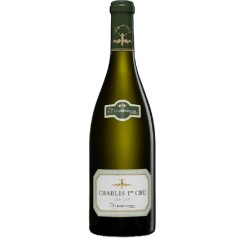
Burgundy Premier Cru: The Middle Level of the Côte d'Or Hierarchy
Burgundy's quality hierarchy — régionale, village, Premier Cru, Grand Cru — is the most influential and imitated classification in the wine world. The 640 Premier Cru vineyards occupy the critical middle level: more specific and generally superior to village wines, below the Grand Crus in price but not always in pure pleasure.
Understanding the Premier Cru System
A Premier Cru vineyard in Burgundy must meet criteria established by the INAO — typically relating to aspect (orientation toward the east or southeast), altitude (optimal drainage and sun exposure), soil composition (thin, well-drained limestone and marl), and historical track record of producing superior wine.
The vineyard name appears on the label after the commune: "Gevrey-Chambertin 1er Cru Cazetiers" identifies the commune (Gevrey-Chambertin), the tier (1er Cru), and the vineyard (Cazetiers). This specificity is the essence of Burgundy — it allows the drinker to track not just the producer and vintage, but the exact parcel of land.
Important: The producer matters enormously in Burgundy. The same Premier Cru vineyard is often divided among many growers, and the quality difference between the best and worst producers in the same site can be vast. Our selection focuses exclusively on producers who express their terroir with genuine authenticity and quality.
The Most Celebrated Red Premier Crus
Côte de Nuits — Red
The Côte de Nuits is the greatest zone for red Burgundy, running south from Marsannay to Nuits-Saint-Georges. Its Premier Crus are among the most sought-after in the world.
Gevrey-Chambertin
→ Clos Saint-Jacques — widely considered the finest Premier Cru in Gevrey, and perhaps the finest in all of Burgundy. Owned by just five producers, the most prominent being Domaine Rousseau. Dense, structured, extraordinarily complex.
→ Cazetiers — powerful, structured, slow-developing. Often described as the most "masculine" of Gevrey's Premier Crus.
→ Lavaux Saint-Jacques — elegant and perfumed, mid-weight for the appellation.
Chambolle-Musigny
→ Les Amoureuses — arguably the most celebrated Premier Cru in all of Burgundy, sometimes described as a Grand Cru in all but name. Tiny production, extraordinary demand, prices that approach Grand Cru levels. Silky, perfumed, seductive.
→ Les Charmes — the appellation's largest Premier Cru, more accessible but genuine Chambolle character.
→ Les Fuées — elegant, floral, among Chambolle's finest.
Vosne-Romanée
→ Les Suchots — adjoining La Grande Rue Grand Cru, producing wines of remarkable depth and complexity.
→ Les Beaux Monts — powerful and structured for Vosne-Romanée, excellent ageing potential.
→ Les Chaumes — more accessible, elegant, earlier-maturing.
Nuits-Saint-Georges
→ Les Saint-Georges — the vineyard that lends its name to the entire commune. Structured, earthy, powerful — arguably the greatest Premier Cru in Nuits.
→ Les Vaucrains — the most powerful and tannic Nuits Premier Cru; requires extended ageing.
→ Les Pruliers — more approachable than Vaucrains, excellent food wine.
Côte de Beaune — Red
Pommard
→ Les Rugiens — the greatest Pommard Premier Cru. Rich, concentrated, structured. Two sub-parcels: Rugiens Bas (deeper, richer) and Rugiens Hauts (more elegant).
→ Les Épenots — more accessible than Rugiens, but excellent Premier Cru character.
Volnay
→ Caillerets — the greatest Volnay Premier Cru. Silky, perfumed, and refined. The old vines of Clos des 60 Ouvrées (part of Caillerets, owned entirely by Pousse d'Or) are legendary.
→ Clos des Chênes — powerful and structured for Volnay, excellent with food.
→ Champans — perfumed and elegant, among the most consistent Volnay Premier Crus.
The Most Celebrated White Premier Crus
Côte de Beaune — White
The white Premier Crus of the Côte de Beaune are among the greatest white wines produced anywhere on earth.
Meursault
→ Perrières — the most celebrated Meursault Premier Cru, and widely considered the closest to Grand Cru quality in the village. Mineral, precise, austere in youth — extraordinary with 8–15 years of age.
→ Charmes — the most approachable of the great Meursault Premier Crus. Rich, generous, more immediately pleasurable than Perrières.
→ Genevrières — between Perrières and Charmes in style; excellent balance of richness and minerality.
Puligny-Montrachet
→ Les Pucelles — perhaps the most celebrated Puligny Premier Cru, directly adjacent to Bâtard-Montrachet Grand Cru. Elegant, mineral, extraordinary longevity.
→ Les Combettes — richer and more textured than Pucelles; excellent with food.
→ Clavoillon — owned almost entirely by Domaine Leflaive. Elegant, precise, mineral.
→ Les Folatières — the largest Puligny Premier Cru; can be excellent value with the right producer.
Chassagne-Montrachet
→ Les Caillerets — among the finest Chassagne Premier Crus, can rival Puligny's greatest.
→ Morgeot — the largest and most widely planted Chassagne Premier Cru; quality varies by producer.
→ Les Ruchottes — small production, highly sought-after, mineral and structured.
Ageing Burgundy Premier Cru
|
Style |
Drinking Window |
|
White Meursault 1er Cru |
5–15 years from vintage |
|
White Puligny/Chassagne 1er Cru |
7–20 years from vintage |
|
Red village-level Pinot Noir 1er Cru |
5–12 years |
|
Red Gevrey/Chambolle/Vosne 1er Cru |
8–20 years |
|
Les Amoureuses, Clos Saint-Jacques |
10–25+ years |
Producer Selection
In Burgundy, choosing the right producer is as important as choosing the right vineyard. Our selection focuses on domaines known for sustainable farming, careful cellar work, and genuine terroir expression. Among the producers we champion:
→ Domaine Rousseau — benchmark Gevrey-Chambertin across all levels
→ Domaine Mugnier — the finest Chambolle-Musigny producer, particularly Les Amoureuses
→ Domaine Leflaive — the benchmark white Burgundy producer, particularly in Puligny
→ Domaine des Comtes Lafon — exceptional white and red Burgundy, particularly Meursault
→ Domaine de Montille — excellent across Volnay and Pommard Premier Crus
Contact our fine wine team for specific recommendations and current availability.