Free delivery over 12 bottles - 6 to 11 bottles £10 - less than 6 bottles £20 - All taxes & duties included
-
MenuBack
- Home
-
Red Wine
-
-
By Grape Variety
-
-
-
-
-
Our selection
-
-
-
White wine
-
-
By Grape Variety
-
-
-
-
-
Our selection
-
-
-
Rosé Wine
-
-
-
By price
-
-
-
By style
-
-
-
Champagne & Sparkling
-
-
-
-
French sparkling
-
-
-
Fine & Rare French Wines
-
-
-
By classification
-
-
-
Vintage Champagne — Single-Year Excellence Aged to Perfection
Vintage Champagne is produced only in the finest years — when the weather and growing conditions are exceptional enough to make a wine that reflects a single harvest rather than a blend of years. These are Champagnes of greater complexity and more distinctive character than non-vintage, built for ageing and for occasions that deserve something exceptional. Our selection covers the most celebrated declared vintages from leading houses and grower-producers alike.
There is 1 product.
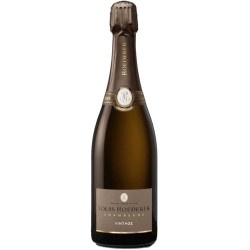
Vintage Champagne: When a Single Year is Worth Celebrating
Non-vintage Champagne — the blend of multiple years that forms the backbone of every house's production — is deliberately designed for consistency. Vintage Champagne is the opposite: a wine that accepts and celebrates the character of a single exceptional year.
What Makes a Vintage Champagne?
Houses declare a vintage only in exceptional years — typically between 3 and 5 times per decade. The grapes must be of sufficient quality to make a wine that stands alone, without the blending of reserve wines across multiple years.
Each declared vintage has its own character:
→ 2013 — exceptional freshness and acidity, wines of remarkable elegance
→ 2012 — a benchmark vintage; powerful, structured, built for long ageing
→ 2008 — widely considered one of Champagne's greatest modern vintages; razor-sharp acidity and extraordinary complexity
→ 2002 — the previous benchmark; opulent, generous, now drinking magnificently
Vintage Champagne Styles
Vintage Blanc de Blancs — Chardonnay-only vintage Champagne, often the most precise and mineral expression. Taittinger Comtes, Pol Roger Blanc de Blancs, and Salon represent the pinnacle.
Vintage Blanc de Noirs — rare but increasingly produced; the richness of Pinot Noir in a single-year wine.
Vintage Rosé — some of Champagne's most complex rosés are vintage; Billecart-Salmon Blanc de Blancs Rosé, Dom Pérignon Rosé.
Buying and Ageing Vintage Champagne
Vintage Champagne is released after a minimum of 3 years on the lees (typically much longer), but the finest examples will continue to evolve for 20–30 years from vintage. Great vintages (2008, 2002, 1996, 1988) are still drinking beautifully and improving.
We advise buying vintage Champagne with the intention of ageing it — at least 5 years beyond release, ideally more for the finest examples.